


As a pet parent, it’s understandable to wonder if your dog is getting the right nutrition from their food. Are they eating a well-balanced diet that contains all of the essential nutrients they need? And, for that matter, what are the essential nutrients they need?
Dog food should meet all of a dog’s nutritional needs to help ensure their overall health and well-being. Read on to learn about the essential nutrients needed for your dog’s growth and maintenance — and how to make sure your four-legged friend is getting these necessary components to help them thrive.
What Are The Nutritional Needs Of Dogs?
When it comes to canine nutrition, there are six essential nutrients all dogs need, regardless of age, size, or breed. They are:
- Proteins
- Fats
- Carbohydrates
- Vitamins
- Minerals
- Water1
Each of these essential nutrients performs a specific function in your dog’s body.
The Importance Of Proteins
Protein helps build and maintain muscles, cartilage, tendons, and ligaments. It also supports the formation of skin, hair, nails, and other tissues. Ideally, protein should come from animal sources, as these offer the full spectrum of essential amino acids dogs need. These amino acids cannot be made by your dog’s body — they must be provided by their diet.2-4
Fats Your Dog Needs In Their Diet
Dietary fats are essential nutrients needed in your dog’s diet. They help to support vitamin absorption, provide a valuable source of energy, promote healthy growth and development, and support healthy skin and coat quality.5
 Dietary fats include:
- Saturated Fatty Acids
- Polyunsaturated Fatty Acids
- Monounsaturated Fatty Acids
Dogs also need essential fatty acids (EFAs), such as omega-3 and omega-6, in their diets, because they don’t make them naturally in their bodies. Sources of these healthy fats include flaxseed, salmon, and chia seeds.6,7
Healthy Carbohydrates
Carbohydrates provide energy in the form of glucose and are a source of dietary fiber. While dogs don’t need carbs for energy (they can get it from protein and fats), they are broken down to help supply glucose to major organs. Many of the carbohydrates in dog food also supply fiber to nourish gut bacteria, antioxidants, and key vitamins and minerals.8-10
Examples of good sources of carbohydrates that are easily digestible by dogs include root vegetables, like sweet potatoes and carrots.11
A Variety Of Vitamins
Dogs require a variety of vitamins to stay healthy. The main vitamins that are important for dogs and their key nutritional roles include:
- Vitamin A: Supports healthy growth, vision, immune function, and skin.
- B-Vitamins: These vitamins help support and promote cell function, a healthy nervous system, and the metabolism of fats and carbohydrates, among other things.
- Vitamin C: This powerful antioxidant helps counteract the effects of free radicals in the body, supporting healthy aging, skin and coat health, and the immune system.
- Vitamin D: Helps support healthy bones and muscles.
- Vitamin E: Like vitamin C, this vitamin is a potent antioxidant, and it helps support healthy cell function.
- Vitamin K: This vitamin is needed for proper blood clotting and healthy bones.
- Choline: Helps support a healthy brain and muscles, liver function, and heart health.12-15
It’s important to ensure your dog is receiving all the vitamins they need, as deficiencies or excess can lead to health issues.16
Minerals For Nourishment
Dogs need a variety of minerals to meet their nutritional needs, including macrominerals (calcium, magnesium, phosphorus, sodium, potassium, and chloride) and microminerals (or trace minerals) (iron, copper, zinc, manganese, selenium, and iodine). Macrominerals are required in higher amounts than microminerals, but both are necessary for proper body functioning.17
Minerals are important for supporting bone and tooth health, nerve and muscle health and development, cellular fluid balance, carrying oxygen throughout the body, a healthy immune system, and heart health.18-20
Water For Health And Nutrition
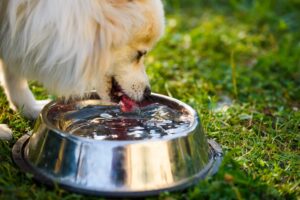
Water is essential to dog health and nutrition. Dogs rely on water for normal body functions and survival, and it makes up about 60 to 70% of their body weight. Water performs many essential functions, such as regulating temperature, breaking down carbohydrates, proteins, and fats, providing shape and structure to the body, lubricating joints, and protecting the nervous system.21-23
The amount of water a dog needs depends on several factors, including health, activity level, environmental temperature, and the type of food the dog is eating. Dogs fed high-moisture foods typically consume less water than those fed kibble.24-26
Given the many vital functions water provides, it is clear that water is an indispensable part of dog health and nutrition. For this reason, it’s essential to ensure that your dog has access to clean and fresh water at all times.
What About Fiber: Do Dogs Need It In Their Diet?
Dietary fiber for dogs is composed of both soluble and insoluble fibers. Soluble fiber retains water and makes a dog’s stool softer, and insoluble fiber increases stool bulk. While dogs don’t technically need fiber in their diets, it does offer potential nutritional value.27
Fiber helps support regularity and overall digestive health, and it may help promote satiety and support weight management. So, while fiber isn’t considered an essential component of a dog’s diet, it can be an important addition to their diet. Ask your vet whether your pup needs more fiber.28-30
Canine Nutrition: When In Doubt, Ask Your Veterinarian About Your Dog’s Needs
 Choosing the right dog food is essential for ensuring your canine companion is getting the proper nutrition they need for a long and healthy life. Your veterinarian can be incredibly helpful when it comes to understanding your dog’s nutritional needs — which depend on their age, breed, and activity level.
Your vet will be able to offer personalized guidance based on your pet’s unique needs and dietary considerations. They’ll also be able to help you come up with a nutritionally-balanced meal plan and an optimal feeding schedule that’ll suit your dog best. This way, you can rest easy knowing your best buddy is getting the nutrition they need to be happy and healthy.
Sources
1. https://vcahospitals.com/know-your-pet/nutrition-general-feeding-guidelines-for-dogs
2. https://www.petmd.com/dog/nutrition/evr_dg_whats_in_a_balanced_dog_food
3. https://humanbiology.pressbooks.tru.ca/chapter/5-6-protein-synthesis/
4. https://www.thewildest.com/dog-nutrition/essential-canine-nutrition
5. https://todaysveterinarypractice.com/nutrition/role-of-dietary-fatty-acids-in-dogs-cats/
6. https://todaysveterinarypractice.com/nutrition/role-of-dietary-fatty-acids-in-dogs-cats/
7. https://www.hospitalveterinariglories.com/omega-3-dogs/?lang=en
8. https://www.aspca.org/pet-care/dog-care/dog-nutrition-tips
9. https://www.thewildest.com/dog-nutrition/essential-canine-nutrition
10. https://vetnutrition.tufts.edu/2021/07/the-role-of-carbohydrate-in-pet-foods/
11. https://www.petfoodinstitute.org/blog/z-pet-food-carbohydrates/
12. https://www.akc.org/expert-advice/nutrition/vitamins-dogs-need-healthy-lifestyle/
13. https://www.petmd.com/dog/nutrition/evr_dg_whats_in_a_balanced_dog_food
14. https://www.petmd.com/dog/centers/nutrition/evr_multi_importance_of_antioxidants_in_pet_food
15. https://www.qrillpet.com/blog-and-news/new-study-finds-increased-choline-levels-after-krill-meal-supplementation
16. https://www.ncbi.nlm.nih.gov/pmc/articles/PMC5731398/
17. https://www.petfoodinstitute.org/blog/a-to-z-of-pet-food-minerals/
18. https://www.dogsnaturallymagazine.com/5-trace-minerals-your-dog-needs-in-his-diet/
19. https://www.petfoodinstitute.org/blog/a-to-z-of-pet-food-minerals/
20. https://www.petmd.com/dog/nutrition/evr_dg_whats_in_a_balanced_dog_food
21. https://advancedpetvet.com/2021/02/16/how-much-water-should-a-dog-drink/
22. https://todaysveterinarynurse.com/internal-medicine/fluid-calculations-keeping-a-balance/
23. https://www.truecareveterinaryhospital.com/blog/the-importance-of-water-for-pets-and-avoiding-pet-dehydration/
24. https://www.ncbi.nlm.nih.gov/pmc/articles/PMC6305449/
25. https://figopetinsurance.com/blog/ask-vet-tech-how-much-water-does-my-dog-need
26. https://www.thewelldogplace.com/articles/how-much-water-do-dogs-need
27. https://www.ncbi.nlm.nih.gov/pmc/articles/PMC8965269/
28. https://www.tuftsyourdog.com/dogfoodandnutrition/the-right-amount-of-fiber-in-your-dogs-diet/
29. https://www.veterinary-practice.com/article/the-importance-of-fibre-in-the-diet-of-dogs-and-cats
30. https://www.sciencedirect.com/science/article/pii/S0034528816303332








 SHOP FOOD
 SHOP TREATS