

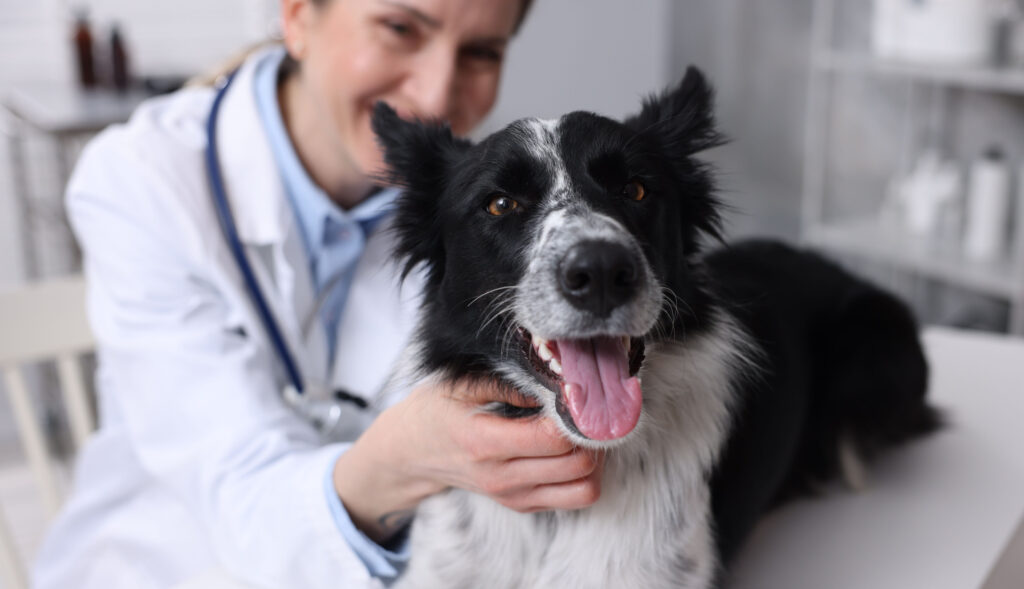


What Is Canine Anxiety?
Occasional fear is a normal emotion experienced by dogs, but if it becomes excessive, it can lead to anxiety and behavioral issues.
Canine anxiety can manifest in various ways, such as whining, barking, destructive behavior, drooling, pacing, loss of appetite, and defecating in the home. Some common causes of this anxiety include abandonment, fear, loud noises, being around unfamiliar people or other pets, and past abuse or neglect.1,2
As a dog parent, it’s important to be vigilant and recognize the subtle signs of anxiety in your pup so you can help manage it and provide them with a safe and comfortable environment. As with humans, a dog’s mental health is just as important as their physical health.
What Causes Anxiety In Dogs?
Anxiety in dogs can be caused by a wide variety of factors. Some of these common causes might include:
- Fear and Phobias: Dogs can develop anxiety as a result of specific fears or phobias, such as thunderstorms, fireworks, loud noises, or being left alone (separation anxiety).3
- Lack of Socialization: Dogs that haven’t been properly socialized during their early years may exhibit anxiety when encountering new people, animals, or unfamiliar environments.4
- Traumatic Experiences: Dogs that have experienced traumatic events, such as abuse, accidents, or being in a shelter, may develop anxiety as a result of those past experiences.5
- Changes in Environment: Significant changes in a dog’s environment, such as moving to a new home, the addition of a new family member (human or animal), or a change in routine, can trigger anxiety.6
- Health Issues: Certain medical issues can contribute to anxiety in dogs. Senior dogs may also develop fears they never had due to cognitive aging changes.7
- Genetic Predisposition: Some dogs may be genetically predisposed to anxiety or have a breed-specific tendency towards anxious behavior. Profound or “idiopathic” fear has been noted in such breeds as the Siberian Husky, Greyhound, Bernese Mountain Dog, Border Collie, and Standard Poodle, to name a few.8
Every dog is unique, and the causes and symptoms of anxiety can vary from one individual to another. If you suspect that your dog is experiencing anxiety, it’s recommended to consult with a veterinarian or a professional dog behaviorist for expert evaluation and guidance.
Symptoms Of Anxiety In Dogs
While it’s normal for dogs to feel occasional stress or nervousness, excessive anxiety can have a significant impact on their overall well-being as well as your home environment.
As a responsible pet owner, it’s crucial to learn to recognize the signs and symptoms of anxiety in dogs. By understanding these indicators, you can take measures to help your furry friend manage their anxiety and lead a happier life.
Let’s explore the various symptoms of anxiety in dogs and discuss how to identify them:
Excessive Panting And Pacing
One common symptom of anxiety in dogs is excessive panting and pacing. If you notice your dog panting excessively, especially in cool environments or without physical activity, it might be a sign of anxiety. Pacing back and forth can also indicate that your dog is feeling stressed.
Trembling Or Shaking
When dogs experience anxiety, they may exhibit trembling or shaking. These physical signs are often a result of their heightened emotional state. If your dog starts shaking in situations that don’t typically cause fear, it could be a sign of anxiety.
Restlessness Or Hypervigilance

An anxious dog may have difficulty settling or relaxing.
They might constantly shift positions, unable to find a comfortable spot. You may notice them being on high alert, frequently scanning their surroundings, even in familiar environments. They may have dilated pupils and blink faster or stand stiffly at attention as if they’re guarding against impending danger. The whites of their eyes tend to show more, their ears may stand up or pin back, and they may tuck their tails between their legs.
Destructive Behavior
Destructive behavior, such as chewing on furniture, excessive scratching, or digging is often an outlet for a dog’s anxious energy.
Excessive Barking Or Whining
Barking or whining excessively can be a symptom of anxiety in dogs. They may vocalize more than usual, particularly in situations that trigger their anxiety. If your dog’s barking or whining seems excessive and out of character, it is worth investigating.
Compulsive Behaviors
An anxious dog may exhibit behaviors to help calm themselves, but these can become compulsive and destructive. Such compulsions might include licking themselves or walls/floors excessively or chewing objects compulsively.
Aggression Or Agitation
A dog may display fearful aggression behaviors toward people, other animals, or even inanimate objects if they’re feeling anxious. If your dog exhibits uncharacteristic aggression or agitation, consult with a professional ASAP to determine the cause.9,10
What About Separation Anxiety?
Separation anxiety is one of the most common forms of anxiety in dogs. It is thought that dogs often associate everything they value in their life – like play, food, and going for walks – with the company of people. If they haven’t learned to be comfortable with their own company, that’s when they may experience separation anxiety. Far more shelter dogs have a problem with separation anxiety than those raised from puppyhood in one home.
Symptoms of separation anxiety include destructive behavior, such as going potty indoors, howling, barking, digging, scratching at doors or windows, and destructive chewing.
To help manage separation anxiety, dogs need to learn to cope with being away from their favorite humans. Desensitization and counterconditioning are ways in which a certified professional can help you to work through your pup’s separation anxiety.11
How To Help Your Anxious Dog
Step 1: Identify The Cause
As a dog owner, it’s important to be able to identify the cause of your dog’s anxiety in order to effectively manage it. Anxiety in dogs can be triggered by a variety of factors, so it’s important to be vigilant and observe your dog’s behavior.
By identifying the cause of your dog’s anxiety, you can take steps to remove the trigger or use behavior modification techniques to help your dog feel more comfortable and secure with that trigger. Early intervention is key, so if you suspect your dog is experiencing anxiety, consult with your veterinarian to develop a treatment plan.12
Step 2: Start Any Appropriate Training
If you have an anxious dog, desensitization is a great technique to help your pup gradually get used to stimuli that trigger their anxiety.
For instance, if your dog is scared of other dogs, you might start by exposing them to a dog from 25 feet away. If they’re still anxious at that distance, start even further away. During these training sessions, offer high-value treats to your dog, to help them learn to associate the stressful stimuli with something really rewarding.13
Consistency and patience are key, as pushing too far too fast can set you back in the training process. It’s always most beneficial to design a plan with a veterinarian or behavioral expert.
Step 3: Build Your Dog’s Confidence
Building your dog’s confidence can help manage anxiety and give them a sense of control.

Some ways that you can help to build your dog’s confidence are:
Training: Teaching your dog new tricks or practicing behaviors they already know, such as sit, down, and paw, can help them feel accomplished and boost their general confidence. Training for dog sports can also be a great new way to give them renewed confidence.
Sticking to a routine: Creating a predictable routine for your dog’s meals, walks, playtime, and training can help them feel more secure – just as with a human child.14,15
Step 4: Exercise
For humans and dogs, exercise remains one of the greatest tools against anxiety. Exercise can help to produce endorphins, which in turn can help to relieve stress.
If you’re facing separation anxiety, try to always take your pup out for a walk or play ball before you leave the house. This can help to tire them out and reduce any excess energy caused by anxiety. Engage in activities that your pup loves the most, with plenty of physical contact with them.16
It’s essential that you make time for daily exercise to keep your dog both physically and mentally fit. If you’re always short on time, consider hiring a dog walker to take your pup for long strolls.
Step 5: Talk to Your Vet
If your dog is struggling with anxiety or displaying aggressive behaviors, it’s important to seek professional help from a vet or animal behaviorist. However, not all vets are equipped to handle these specific anxiety issues.
You can start by looking for vets who specialize in low-stress handling or who are recommended by organizations like Dogs in Need of Space. By finding a vet who is better suited to handle anxiety-related issues, you can give your dog the best possible care and support.17
Step 6: Know Your Limits
Anxiety in dogs can be challenging to manage, and it’s important to understand your own limitations as an owner. While it’s essential to provide support and care for your furry friend, you also need to take care of yourself.
Here are some practical tips on how to manage life with an anxious dog.
- It’s okay to admit that you may not be able to handle your dog’s anxiety on your own.
- Seek professional help when necessary. A veterinarian or animal behaviorist can provide hugely valuable insights and treatment options.
- Attend training classes with your dog to help them learn coping mechanisms and help manage anxiety.
- Be patient and consistent with your dog.
- Create a safe space for your dog to retreat to when they feel overwhelmed, such as a crate or a designated room.
Take care of yourself. Caring for an anxious dog can be emotionally taxing, so make sure you’re taking time for yourself and seeking support when needed.18
FAQ
What Are Some Natural Remedies For Dog Anxiety?
There are several all-natural remedies that can help manage anxiety in dogs. These remedies are non-invasive and safe to use, but you should always consult with your vet before giving them to your pet. Here are some of the most popular natural remedies:
Music or White Noise: Just like a human baby, this can create a soothing and calm environment for your dog, potentially helping to ease stress levels. These may also be helpful to block out the noise of thunderstorms or fireworks.
Pheromones: Pheromone devices, such as collars, sprays, or plug-in home diffusers, aim to mimic a dog mother’s natural nursing pheromones which can help dogs of all ages feel calm and comforted.
Natural supplements: There are naturally calming supplements that your vet may recommend which can help with general or travel anxiety.
Use a Thundershirt: These little “jackets” may help dogs cope with stressful situations – from storms and fireworks to car rides to the vet. It works by applying gentle pressure that mimics a warm hug – much like a human’s weighted blanket.19,20
Remember to do proper research before implementing alternative therapies, and always consult with your veterinarian to determine the best course of action to help your dog manage anxiety.
What Types Of Behavior Can Indicate Anxiety In My Dog?
Not all signs of anxiety in dogs are obvious. They can also be quite subtle, so it’s important for pet owners to recognize them so they won’t be missed.
Subtle signs may include a dog excessively panting, pacing, licking its lips, and pinning its ears back.21
How Can I Make My Home More Calming For My Dog?
To make your home more calming for your dog, you can create a designated cozy space for them to relax away from any stressful situations. This can be achieved by using a crate, building a fort, or using a spare bedroom.
You can also use pheromones, calming music, or white noise in this zone, as mentioned above.
This can be a great zone for dogs to retreat to if you’ll be having guests over, or if a thunderstorm or fireworks display is looming.

What Type Of Veterinarian Should I Consult For Help With My Dog’s Anxiety?
Dog owners should consider consulting with a veterinarian who specializes in low-stress handling techniques and has experience dealing with anxious dogs.
These days, more and more vets are being certified with a “Fear Free Certification” that’s being seen as a “culture change.” The traditional way of vet medicine was often to make animals “deal” with whatever procedure needed to be done by using forceful restraint, if necessary. The “Fear Free” method is about treating pets with respect and working with them to feel safe in a vet’s office to make diagnostics easier (for pets, veterinarians, and pet parents).22
Additionally, consulting with a certified applied animal behaviorist or a board-certified veterinary behaviorist can provide further guidance on managing your dog’s anxiety.
Wrapping Up
Recognizing the symptoms of anxiety in dogs is the first step towards helping them lead a calmer and happier life. By paying close attention to their behavior and seeking professional guidance when needed, you can provide the necessary support to help manage their anxiety.
Remember, each dog is unique, and the severity of anxiety can vary, so it’s important to tailor your approach to suit your individual dog’s needs. But with patience, understanding, and proper care, you can make a significant difference to your furry friend’s quality of life.
Sources
1.https://www.akc.org/expert-advice/health/treating-dog-anxiety/
2.https://www.ccspca.com/blog-spca/education/anxious-dog/
3.https://www.akc.org/expert-advice/health/treating-dog-anxiety/
4.https://www.preventivevet.com/dogs/how-to-help-adult-dog-with-socialization
5.https://www.petmd.com/dog/behavior/adopting-pet-history-abuse-what-you-should-know
6.https://www.aspca.org/pet-care/dog-care/dogs-and-babies
7.https://www.therescuevets.com/education-resources/dog-care-tips/dog-anxiety-symptoms/
8.https://www.petmd.com/dog/conditions/behavioral/c_dg_fears_phobia_anxiety
9.https://www.vet.cornell.edu/departments-centers-and-institutes/riney-canine-health-center/canine-health-information/anxious-behavior-how-help-your-dog-cope-unsettling-situations
10.https://www.petmd.com/dog/behavior/signs-anxiety-dogs-and-puppies
11.https://www.aspca.org/pet-care/dog-care/common-dog-behavior-issues/separation-anxiety
12.https://www.akc.org/expert-advice/training/how-to-train-fearful-dog/
13.https://www.akc.org/expert-advice/training/how-to-train-fearful-dog/
14. https://www.akc.org/expert-advice/training/how-to-train-fearful-dog/
15.https://www.ccspca.com/blog-spca/education/anxious-dog/
16.https://www.ccspca.com/blog-spca/education/anxious-dog/
17. https://www.petmd.com/dog/behavior/signs-anxiety-dogs-and-puppies
18. https://www.petmd.com/dog/behavior/signs-anxiety-dogs-and-puppies
19. https://www.akc.org/expert-advice/health/treating-dog-anxiety/
20. https://www.merckvetmanual.com/behavior/normal-social-behavior-and-behavioral-problems-of-domestic-animals/behavioral-problems-of-dogs
21.https://www.dailymail.co.uk/sciencetech/article-9377459/Vets-reveal-subtle-signs-dog-stressed.html
22.https://www.petmd.com/dog/reducing-vet-clinic-anxiety-fear-free-low-stress-handling-and-cat-friendly-veterinarians








 SHOP FOOD
 SHOP TREATS



