


An active dog is a happy dog, and regular exercise for dogs offers so many potential benefits. Just as physical exercise helps you stay fit and healthy, the same is true for your pup. So, as a responsible dog parent, it’s important to find ways for you and your pup to get (and keep) moving.
In terms of the potential benefits of regular exercise, dogs who stay active may enjoy support for healthy joints and muscles, heart health, and weight management, as well as mental stimulation. Read on to learn more about how carving out a fitness routine for your dog can have a significant positive effect on their life — and on yours.1,2
What Are The Potential Physical And Mental Health Benefits Of Regular Exercise For Dogs?
The potential benefits of regular exercise for your dog’s physical and mental health can be considerable. Regular exercise may help:
- Keep your dog’s muscles and joints strong and flexible
- Promote healthy digestion and urinary health
- Support a healthy weight
- Support cardiovascular health
- Ease stress and anxiety, boosting your dog’s mood
- Keep your dog’s mind sharp as they age 3-8
Regular exercise may also help provide a dog with mental stimulation, reducing boredom. As many dog parents know, boredom can lead to destructive behaviors, like chewing, digging, and excessive barking.9
Having a regular fitness routine for your dog is also a great way for your pup to build trust and a stronger bond with you. And, going on regular walks, to the park, or on doggy play dates allows your pooch to interact with other dogs and people, which helps build their confidence and social skills.10-11
First Things First: Ask Your Veterinarian For Tips
When deciding whether to engage in regular exercise for your dog, it’s important to consult your veterinarian. Your vet knows your dog’s health best. Consider them the Head Coach on Fido’s Team Fitness, and don’t hesitate to ask questions before you and your pup head out to enjoy some exercise.
Here are some questions you could ask your vet about your dog’s exercise routine:
- What type of exercise is suitable for my dog?
- How long should I exercise my dog?
- How can I tell if my dog is too tired?
- Is it too hot to exercise my dog outside?
What Types Of Activities Are Good For Dog Exercise?

As a pet parent, you’re probably familiar with the daily routine of dog walking. You and your dog may already take a daily stroll around the neighborhood. Walking is a great form of low-impact exercise for your furry friend — and for you.12 But, there are several other activities you might consider incorporating into your dog’s fitness routine, like:
- Hiking
- Playing Fetch Or Tug-Of-War
- Dog Agility Training or Scent Training
- Dog Sports (like flyball, scent work, and obedience)
- Swimming
- Dog Yoga
All of these activities provide a physical and mental challenge for your four-legged companion. Plus, they’re great ways for you and your dog to bond while staying active and healthy.13
How To Get Your Dog Used To Exercise If He’s Not Used To It
Choose an appropriate activity. Some people assume that jogging is the best way to get your dog into shape, but this isn’t always the case. Jogging is not suitable for all dog breeds and ages (especially young puppies and senior dogs).
Start slowly and increase exercise time gradually. When introducing your pet to exercise, it’s important to remember that you should start at a slow and comfortable pace. Again, check with your vet to see what they recommend.
Choose a suitable terrain. If you begin with walking as exercise, choose a suitable terrain for both you and your dog. You don’t want to start out exercising on terrain that’s too bumpy or hilly for safety reasons.
Closely monitor your pet’s behavior. During the exercise session, keep a close eye on your pet’s behavior, and look out for any signs of fatigue, overheating, or dehydration. If you notice any signs of discomfort, stop.
Make it fun. Exercise with your pet should be an engaging, rewarding experience for both of you. Try to incorporate fun activities, such as playing fetch, hide-and-seek, or agility courses to make it enjoyable. This will help ensure that you both look forward to your daily fitness sessions.14-16
How Can I Make Sure My Dog Is Safe While Exercising?
- Prepare for dog exercise as you would prepare for any exercise, with warm-ups, stretches, and the right equipment. If you’re going on a long walk or a hike, for example, this should include a dog leash and walking shoes suitable for the terrain.
- Protect yourself and your dog from excessive heat. Carry a supply of water and a bowl for your dog, and exercise during the cooler parts of the day if the weather is hot.
- Keep your dog under control, and carry plastic bags or scoops to clean up after it. Supervise dogs around young children, and seek veterinary advice if you’re concerned about your dog’s ability to exercise.
- Tailor your dog’s fitness routine to their needs and abilities. Senior dogs have vastly different physical activity needs than younger dogs.
- Incorporate play into your dog’s exercise routine, and try to mix things up. After a nice swim session, consider a quick game of fetch with a tennis ball or Frisbee.
- Watch out for cues that you’re asking for too much. If your dog appears to be pushing back or seems tired, take a break and go home. Risking an injury is never worth it.17-22
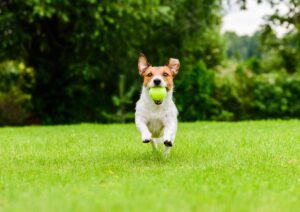
A Fit Dog Is A Healthy Dog: So, Get Moving
The bottom line here is this: all dogs can potentially benefit from regular exercise. A consistent exercise routine can help keep your dog’s weight in check, and it promotes overall canine happiness and well-being. How much, and what type of physical activity your dog needs, depends on a lot of factors — including age, breed, and overall health.
If you’re in doubt, always ask your vet for guidance about an appropriate exercise routine.23-25
Sources:
1. https://www.heart.org/en/news/2022/04/11/how-to-keep-your-dogs-heart-healthy
2. https://vcahospitals.com/know-your-pet/the-benefits-of-walking-your-dog
3. https://vcahospitals.com/know-your-pet/the-benefits-of-walking-your-dog
4. https://www.veterinarypracticenews.com/exercise-evidence-january-2022/
5. https://www.vetstreet.com/our-pet-experts/how-exercising-with-your-dog-helps-you-both
6. https://www.heart.org/en/news/2022/04/11/how-to-keep-your-dogs-heart-healthy
7. https://journals.plos.org/plosone/article?id=10.1371/journal.pone.0141907
8. https://www.akc.org/expert-advice/health/manage-cognitive-decline-in-senior-dogs/
9. https://www.akc.org/expert-advice/training/bored-dogs-how-to-recognize-doggy-boredom-and-help/
10. https://www.theleashteam.com/News/the-importance-of-dog-socialization-and-exercise
11. https://www.bestfriendspetcare.com/news-tips/dog-exercise-common-questions-answered-by-our-trusted-veterinarian
12. https://www.ncbi.nlm.nih.gov/pmc/articles/PMC7709226/
13. https://www.petmd.com/dog/wellness/evr_dg_exercising_with_your_dog101
14. https://www.thesprucepets.com/great-ways-to-exercise-with-dogs-1117865
15. https://www.petmd.com/dog/wellness/5-signs-your-dog-getting-too-much-exercise
16. https://www.clickondetroit.com/pets/2022/05/13/is-your-dog-out-of-shape-how-to-avoid-pet-injuries-with-proper-exercise/
17. https://www.petmd.com/dog/wellness/evr_dg_exercising_with_your_dog101
18. https://www.humanesociety.org/resources/keep-pets-safe-heat
19. https://www.akc.org/expert-advice/health/provide-senior-dog-proper-exercise/
20. https://www.fitdog.com/blog/mix-dogs-exercise-routine/
21. https://www.ovrs.com/blog/over-exercising-your-dog/
22. https://www.southernliving.com/culture/pets/how-much-exercise-does-a-dog-need-every-day
23. https://www.ncbi.nlm.nih.gov/pmc/articles/PMC5465859/
24. https://www.akc.org/expert-advice/health/things-you-should-know-about-dog-obesity/
25. https://www.akc.org/expert-advice/health/how-much-exercise-does-dog-need/








 SHOP FOOD
 SHOP TREATS